Same Day Appointments Available

Surgical Care for Better Pet Health
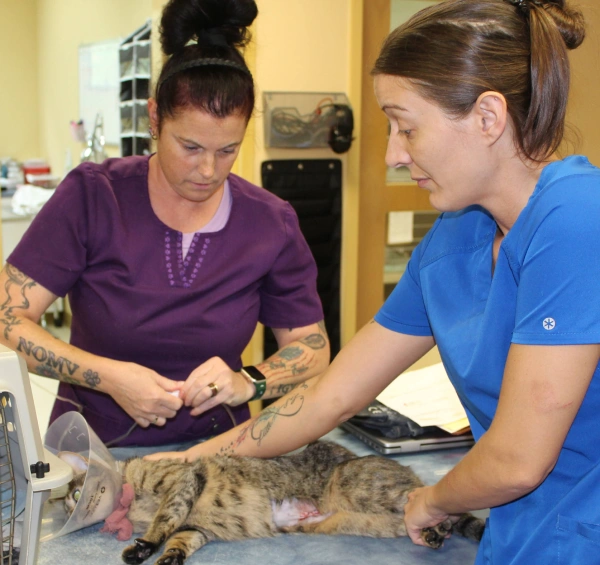
Veterinary surgery is a crucial aspect of animal healthcare. It involves the use of surgical procedures to diagnose, treat, and prevent various health conditions in animals. Just like humans, animals can also suffer from a wide range of health issues that require surgical intervention. we will discuss the importance of veterinary surgery and how we can help in improve the health and well-being of your pets.
Surgeries Offered:
Below are some of the many surgeries we can perform:
- Spay and neuter
- Soft tissue
- C-section
- Cystotomy procedure
- Foreign body removal
- Mass removal
- Oncology surgery
- Ophthalmic surgery
- Exploratory surgery
- Biopsies
- Gastropexy surgery
- Splenectomy surgery
- Gastrointestinal procedures
- Amputation
- Cherry eye repairs
The Importance of Veterinary Surgery
Veterinary surgery is a branch of veterinary medicine that involves the diagnosis, treatment, and prevention of injuries, diseases, and disorders through surgical procedures. These procedures can range from routine spaying and neutering to more complex surgeries, such as tumor removal or orthopedic procedures.
One of the primary reasons for veterinary surgery is to treat injuries and diseases in animals. Just like humans, animals can suffer from a variety of health issues, such as ingesting a foreign object like a sock, or cancer. These conditions can greatly impact the quality of life for our pets and may require surgical intervention to alleviate pain and improve their overall health.
Preparing Your Pet for Surgery
Before your pet’s surgery, it’s important to follow our instructions carefully. This may include fasting your pet for a certain amount of time before the surgery, withholding water, or stopping certain medications. It’s important to follow these instructions to prevent any complications during the surgery.
You should also make sure to ask any questions you may have about the surgery. This can include the length of the surgery, and any potential risks or complications. It’s important to have a clear understanding of the procedure so you can make informed decisions for your pet’s care.
Post-Surgery Care
After the surgery, your pet may be groggy and disoriented from the anesthesia. It’s important to monitor them closely and make sure they are comfortable. We may prescribe pain medication for your pet, which should be given as directed. It’s important to never give your pet any human medication without consulting your veterinarian first.
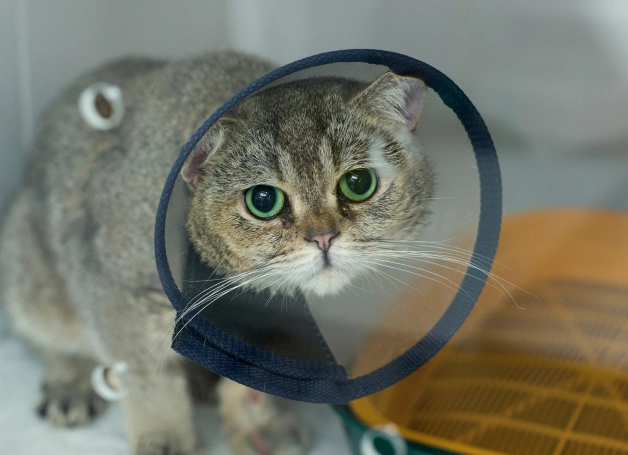
You should also keep an eye on your pet’s incision site. If there is any redness, swelling, or discharge, contact us immediately. It’s also important to prevent your pet from licking or chewing at the incision site, as this can lead to infection. We may provide you with an Elizabethan collar or other methods to prevent your pet from accessing the incision.
Follow-Up Appointments
We may schedule follow-up appointments to monitor your pet’s recovery and remove any stitches or staples. It’s important to attend these appointments and follow all instructions.
At Home
After the surgery, your pet will need a quiet and comfortable place to rest and recover. Before bringing your pet home, make sure to prepare a designated area for them. This can include a cozy bed, a litter box for cats, and easy access to food and water. It’s also important to keep other pets and children away from your recovering pet to prevent any accidents or disruptions.
What is Spaying and Neutering?
Spaying
Spaying is a surgical procedure that removes a female animal’s reproductive organs, including the ovaries and uterus. This procedure is also known as an ovariohysterectomy.
Neutering
Neutering is a surgical procedure that removes a male animal’s testicles. This procedure is also known as castration.
A Safe and Simple Procedure
Spaying and neutering are routine procedures that are performed by licensed veterinarians. They are safe and simple surgeries that are typically done on an outpatient basis. Your pet will be under anesthesia during the procedure and will be closely monitored by the veterinary staff. Most pets recover quickly and are back to their normal selves within a few days.
The Benefits of Spaying and Neutering
Spaying and neutering are important procedures that can have a positive impact on both your pet’s health and the community. Unfortunately, many pet owners are hesitant to have their pets undergo these procedures due to misconceptions and myths.
Prevents Overpopulation
One of the main benefits of spaying and neutering is preventing overpopulation. Every year, millions of cats and dogs are euthanized in shelters due to overpopulation. By spaying and neutering your pets, you are helping to reduce the number of unwanted animals and giving them a chance at finding a loving home.
Reduces Risk of Certain Cancers
Spaying and neutering can also have health benefits for your pet. Female pets who are spayed have a reduced risk of developing uterine infections and breast tumors. Male pets who are neutered have a lower risk of developing testicular cancer. These procedures can also help prevent behavioral issues such as aggression and roaming.